Information
Designing Resilient Gardens for High-Elevation Climates
The agricultural rules that govern coastal properties simply do not apply when you move further up the mountain slopes. As elevation increases, the atmospheric conditions shift dramatically, presenting a highly specific set of challenges for any exterior design project. Homeowners who move to higher altitudes often attempt to plant the exact same tropical species they enjoyed at sea level, only to watch them fail completely within the first year. Understanding the environmental data is the only way to succeed in these unique zones. When planning kailua-kona landscaping for properties situated at significant elevations, designers must account for sharp diurnal temperature shifts, intense ultraviolet radiation, and entirely different moisture patterns to cultivate a garden that actually survives and thrives.
The most shocking change for plants at high altitudes is the dramatic difference between daytime and nighttime temperatures. While the days might remain pleasantly warm under the direct sun, the temperature can plummet rapidly the moment the sun sets, occasionally nearing frost conditions during the coldest months. Coastal tropical plants lack the biological mechanisms to survive this sudden, intense cold; the water within their cellular walls expands and bursts, killing the foliage overnight. To build a successful high-altitude garden, the planting palette must shift towards hardy, cold-tolerant species. Many native upland plants have evolved thick, slightly fuzzy leaves or deep, insulated root systems specifically to handle these frigid nights without sustaining cellular damage.
Ultraviolet radiation is significantly more intense at higher elevations because there is less atmosphere available to filter the sun's rays. This increased UV exposure can severely scorch the leaves of understory plants or delicate ornamentals that are accustomed to filtered light. When designing the layout, it is necessary to establish strong, protective canopies using tough, sun-resistant trees. These trees act as biological parasols, casting dappled shade over the more sensitive plants below. For areas that must remain fully exposed to the sky, selecting plants with naturally silver or grey foliage is a data-backed strategy; these lighter colours actively reflect the intense radiation away from the plant tissue, preventing severe sunburn.
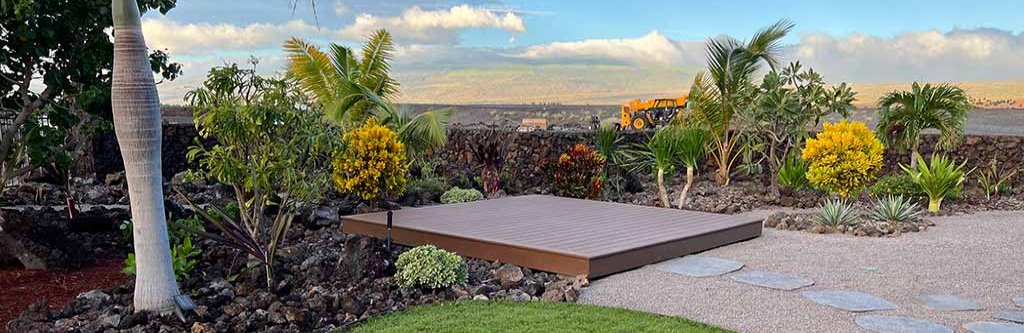
Soil temperature plays a massive role in plant survival during the cold mountain nights. If the soil freezes or drops to extremely low temperatures, the roots cannot absorb moisture, and the plant essentially dies of dehydration, even if the ground is wet. Increasing the thermal mass of the garden is a highly effective way to combat this. Using large, dense materials like solid stone boulders or thick concrete retaining walls helps absorb heat during the sunny daylight hours. When the temperature drops at night, these heavy materials slowly release that stored heat back into the surrounding soil, keeping the root zones of nearby plants significantly warmer than the ambient air temperature.
Wind patterns also change aggressively as you move up the slopes. High-altitude properties are often subjected to powerful, sweeping winds that cause rapid moisture loss from both the soil and the plant leaves. Establishing highly structured, permeable windbreaks is an absolute necessity. Planting a staggered double row of sturdy, deep-rooted evergreen trees along the prevailing windline breaks the force of the gales before they hit the main garden. Unlike a solid fence, which can create destructive wind eddies, a permeable tree line filters the air, reducing its speed and protecting the more fragile planting beds situated closer to the main house.
Water management requires a careful balancing act. While upland areas often receive heavy rainfall, the steep topography means that water runs off incredibly quickly, taking valuable topsoil with it. Constructing deep, heavily mulched garden beds and using strategic terracing slows the descent of the water, allowing it time to percolate down into the root systems. Understanding these specific, elevation-based environmental factors is the only path to a successful garden. By relying on temperature data and structural biology rather than wishful thinking, property owners can build a stunning, resilient environment that beautifully complements the dramatic mountain scenery.
Conclusion High-altitude properties experience intense ultraviolet radiation, strong winds, and sharp drops in nighttime temperatures. Building a successful garden in these zones requires selecting cold-tolerant plants, increasing soil thermal mass with heavy stonework, and establishing strong windbreaks. Relying on environmental data ensures the exterior design can withstand the unique pressures of mountain living.
Call to Action Stop losing plants to the harsh conditions of high-elevation living. Contact our upcountry horticultural specialists today to design a scientifically planned, incredibly tough garden that thrives on the mountain slopes.
Information
Designing Resilient Gardens for High-Elevation Climates
The agricultural rules that govern coastal properties simply do not apply when you move further up the mountain slopes. As elevation increases, the atmospheric conditions shift dramatically, presenting a highly specific set of challenges for any exterior design project. Homeowners who move to higher altitudes often attempt to plant the exact same tropical species they enjoyed at sea level, only to watch them fail completely within the first year. Understanding the environmental data is the only way to succeed in these unique zones. When planning kailua-kona landscaping for properties situated at significant elevations, designers must account for sharp diurnal temperature shifts, intense ultraviolet radiation, and entirely different moisture patterns to cultivate a garden that actually survives and thrives.
The most shocking change for plants at high altitudes is the dramatic difference between daytime and nighttime temperatures. While the days might remain pleasantly warm under the direct sun, the temperature can plummet rapidly the moment the sun sets, occasionally nearing frost conditions during the coldest months. Coastal tropical plants lack the biological mechanisms to survive this sudden, intense cold; the water within their cellular walls expands and bursts, killing the foliage overnight. To build a successful high-altitude garden, the planting palette must shift towards hardy, cold-tolerant species. Many native upland plants have evolved thick, slightly fuzzy leaves or deep, insulated root systems specifically to handle these frigid nights without sustaining cellular damage.
Ultraviolet radiation is significantly more intense at higher elevations because there is less atmosphere available to filter the sun's rays. This increased UV exposure can severely scorch the leaves of understory plants or delicate ornamentals that are accustomed to filtered light. When designing the layout, it is necessary to establish strong, protective canopies using tough, sun-resistant trees. These trees act as biological parasols, casting dappled shade over the more sensitive plants below. For areas that must remain fully exposed to the sky, selecting plants with naturally silver or grey foliage is a data-backed strategy; these lighter colours actively reflect the intense radiation away from the plant tissue, preventing severe sunburn.
Soil temperature plays a massive role in plant survival during the cold mountain nights. If the soil freezes or drops to extremely low temperatures, the roots cannot absorb moisture, and the plant essentially dies of dehydration, even if the ground is wet. Increasing the thermal mass of the garden is a highly effective way to combat this. Using large, dense materials like solid stone boulders or thick concrete retaining walls helps absorb heat during the sunny daylight hours. When the temperature drops at night, these heavy materials slowly release that stored heat back into the surrounding soil, keeping the root zones of nearby plants significantly warmer than the ambient air temperature.
Wind patterns also change aggressively as you move up the slopes. High-altitude properties are often subjected to powerful, sweeping winds that cause rapid moisture loss from both the soil and the plant leaves. Establishing highly structured, permeable windbreaks is an absolute necessity. Planting a staggered double row of sturdy, deep-rooted evergreen trees along the prevailing windline breaks the force of the gales before they hit the main garden. Unlike a solid fence, which can create destructive wind eddies, a permeable tree line filters the air, reducing its speed and protecting the more fragile planting beds situated closer to the main house.
Water management requires a careful balancing act. While upland areas often receive heavy rainfall, the steep topography means that water runs off incredibly quickly, taking valuable topsoil with it. Constructing deep, heavily mulched garden beds and using strategic terracing slows the descent of the water, allowing it time to percolate down into the root systems. Understanding these specific, elevation-based environmental factors is the only path to a successful garden. By relying on temperature data and structural biology rather than wishful thinking, property owners can build a stunning, resilient environment that beautifully complements the dramatic mountain scenery.
Conclusion High-altitude properties experience intense ultraviolet radiation, strong winds, and sharp drops in nighttime temperatures. Building a successful garden in these zones requires selecting cold-tolerant plants, increasing soil thermal mass with heavy stonework, and establishing strong windbreaks. Relying on environmental data ensures the exterior design can withstand the unique pressures of mountain living.
Call to Action Stop losing plants to the harsh conditions of high-elevation living. Contact our upcountry horticultural specialists today to design a scientifically planned, incredibly tough garden that thrives on the mountain slopes.