How Digital Competition Is Changing the Future of Sports and eSports
It seems that we are rapidly witnessing a change in the competitive entertainment industry. Digital competition is shaping both local soccer tournaments and global esports events. This is definitely in line with the recent Deloitte 2024 Sports Industry Outlook report which reveals that 71% of sports executives consider digital transformation as their number one priority. Technology is changing the way competitions are organized, how they are played, and most importantly, how fans experience them. This revolution changes the way athletes and gamers train for the events. At the same time, it also changes how fans interact with sports.
The significance of online platforms cannot be undermined. Our experience has shown that they open up new possibilities for athletes and fans to be involved even when they do not compete. For example, Highroller, an innovative igaming destination is a digital platform that reported a 25% increase in monthly active users in Q1 2025. Highroller empowers players to stay casually entertained while being competitive at the same time.
Due to the fact that sports and esports are intertwining more, the number of organizations that blend online and offline competition is increasing. Both amateur sports leagues and professional esports teams are using digital platforms to organize tournaments, manage player rosters, and track performance statistics. SportsTechX’s 2023 research indicates that 85% of low-level sports tournament organizers currently rely on digital tools to facilitate their work. We were astonished to find out that this number was 62% in 2020. These developments contribute not only to the simplification of the work process, but also to the involvement of young people who are used to the smooth digital experience.
Trending articles: How to Organise an eSports Tournament: Onsite, Online PC & Video Gaming
The Rise of Esports and Digital Sports Engagement
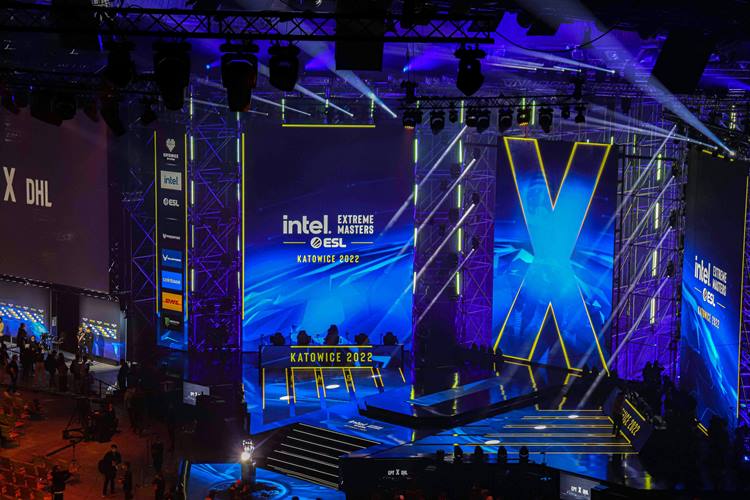
Esports has become the biggest thing all over the world. Major competitions are attracting on-line audiences in millions and the prize pools for winners became comparable to the traditional sports championships. According to Statista, the worldwide esports market will amount to $1.6 billion in 2025 — a number that indicates the mainstream appeal and commercial power of competitive gaming.
This booming market has led traditional sports entities to reconsider the ways of engaging with fans and athletes. An example we are able to mention here is soccer and basketball. The 2023 FC Barcelona initiatives come first to our minds. The World famous football club has formed its own esports division and the NBA 2K League. Besides, we can talk about going live regularly on Twitch by athletes like Neymar Jr. and Gordon Hayward as well. Thus, these transitions create fresh opportunities for the sponsorships and the brand partnerships that will reach $641 million next year, per Newzoo.
Blending Sports with Digital Competition
The confluence of sports and esports is not only happening on the professional level. For instance, professional teams were early adopters, however, the situation is pretty good to see that local leagues now also use tools such as real-time score updates and digital brackets to carry out integration. They have hours more time to be in interaction with the players and fans and/or spend time on coaching than doing administrative tasks, like keeping score or scheduling.
Moreover, athletes find the union of the physical and the digital even appealing because it exponentially increases the number of ways they can indulge themselves in the hobbies of their choice. When the athletes are off the field, they, for instance, divert their attention to online games and simulations, which are essentially mimics of real-life strategies and techniques, such as FIFA Pro Clubs, iRacing, or VR-based drills, to mention few. It is the new trend – gamified training programs abet players in honing their reaction times, teamwork, and decision-making skills. A 2022 University of Cologne study even found that youth soccer players can improve their decision-making speed by 17%.
Building Online Communities Around Competition
The biggest benefit of digital competition is the fact that it is possible to build vibrant online communities. Now, fans can talk to the players, be with forums, and do virtual events from all over the world instantly. Esports platforms are frequently hosting live chats, polls, and social media tie-ins that keep fans engaged during and after matches.
The same situation we can observe today amateur sports organizations copying. Local leagues often use apps and social platforms to share highlights, announce awards, and celebrate player achievements. A 2023 survey by Stack Sports showed that 68% of youth teams in the U.S. use digital communication apps to keep communities engaged throughout the season, not just on game days.
Therefore, online social hubs become a kind of psychological place for those players and fans of sports, they are those that are most geographically distant. At the same time, they allow new friends to be made, to share life experiences, and to exchange sports strategies, thus becoming more connected to the global sports culture.
The Future of Digital Competition
We can never doubt that the connection between traditional sports and online gaming will get even stronger. Virtual reality (VR) and augmented reality (AR) are gradually revolutionizing the way people train and compete, thus both esports and real-world sports are getting new layers. While, streaming platforms and social gaming communities are continuously growing; for instance, YouTube Gaming and Twitch captured over 12 billion hours of content watched in 2023.
In our view, the future of competition is definitely digital, no matter if it’s with advanced tournament software, online social hubs, or digital gaming experiences like Highroller, the constantly expanding igaming destination. The main thing for sports and esports organizations is going to be to come up with innovative ways to get players and fans involved in this changing environment.
By blending traditional athletic events with the new tech world, sports have become more inclusive, more engaging, and more accessible than ever before.
Trending articles: Football rules ✅ Soccer regulations & Laws of the Game by FIFA, FA, IFAB