
How Fans Now Live Sports in Both the Real and Digital Worlds
In today’s hyperconnected world, the line that once separated real-world sports from digital fandom has all but disappeared. Fans used to experience sports inside stadiums, on community courts, or in front of television sets. Now, they live sports everywhere: on smartphones, inside gaming platforms, on social media, in fantasy leagues, and increasingly through dynamic environments such as sportsbooks.
This merging of physical and digital participation is reshaping how people play, watch, and emotionally connect with sports. Amateur athletes are tracking performance data like professionals, while fans who may never set foot in a stadium are deeply invested in teams, matches, and even micro-moments of live play through digital channels.
Around the world, fandom has become a hybrid activity: part cultural ritual, part interactive technology experience.
Trending articles: Football rules ✅ Soccer regulations & Laws of the Game by FIFA, FA, IFAB
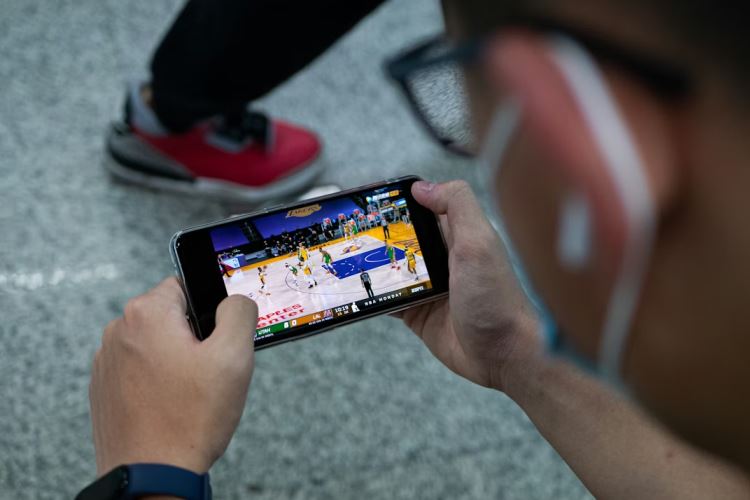
A New Era of Hybrid Sports Engagement
Sports have always been a powerful social force, but today’s fans engage in ways unimaginable just a decade ago. Social media has turned every match into a real-time global conversation. Streaming democratized access to competitions. Meanwhile, esports, virtual competitions, and online communities have exploded — extending fandom into entire digital ecosystems where the passion for sport remains just as intense as the physical version.
Platforms like KTO sportsbook represent another layer of this evolution: fans are no longer passive observers but active participants reacting to every play as it unfolds. In Brazil, one of the world’s most passionate sports nations, this digital shift has been especially striking.
Brazil as a Microcosm of Global Digital Fandom
Brazil’s culture of sport is legendary, but what is happening there today reflects a broader global trend: fans are blending physical and digital engagement into a single, seamless experience. Amateur players recording futsal matches on smartphones, young people following NBA games on TikTok, and communities debating European football on social media are all part of this shift.
According to data from a sportsbook in Brazil, their users aren’t just watching sports. They are interacting with them digitally in real time, shaping a new kind of participatory digital fandom and the popularity of different sports shows how globalized the sports culture of Brazil truly is.
Sports betting has surged in Brazil, and with it, a treasure trove of insights on fan behavior. According to official KTO sportsbook numbers from August 2025, football unsurprisingly dominates — with 83.49% of active users betting on the sport and an impressive 88.17% of all bets placed on football events.
But the data reveals a more globalized sports appetite. Tennis ranks second, representing 7.02% of all bets, well ahead of other traditional sports. Basketball follows with 3.37%, demonstrating the NBA’s growing cultural footprint.
UFC also appears among the popular categories and reflects Brazil’s long-standing interest in combat sports. Even esports and virtual sports have reached the top-ten list, an important sign of how digital-native fans are integrating new competitive platforms into their everyday sports engagement.
Amateur Athletes Are Becoming Digital Natives Too
The merging of digital and real-world sports isn’t limited to spectators. Amateur athletes now track performance through apps, organize tournaments using digital platforms, and share highlight clips as effortlessly as professionals. Communities form online before meeting on the field; local matches are streamed on social media; amateur leagues use digital tools for scheduling, statistics, and fan engagement.
Platforms like COMPETIZE, whose content strategy emphasizes the fusion of sports, technology, and digital culture, capture this movement perfectly. The audience spans both amateur competitors seeking digital solutions and fans who follow sports through online ecosystems.
Articles on real-time stats, digital competition, esports growth, and grassroots innovation reflect the same trends seen in the KTO sportsbook data: a world where digital and physical sports coexist and enhance each other. In this environment, amateur players can behave like fans, and fans can behave like participants. The distinction is fading.
The Emotional Side of Digital Fandom
At the core of these shifting behaviors is emotion. Sports evoke passion, identity, and community, whether the arena is a stadium or a smartphone screen. Live betting engages fans emotionally by providing instant feedback, continuous involvement, a personal stake in real-time, and shared experiences in chats or social groups.
This emotional engagement mirrors what amateur players experience on the field. Both forms of participation create adrenaline, anticipation, and connection. The digital experience doesn’t replace the physical one. Instead, it extends it.
A Global Trend
What we see in Brazil — such as high football engagement, growth in tennis and basketball and emerging interest in esports — reflects the global sports industry today: increasingly digital, driven by real-time interaction, fueled by data and statistics, and shaped by global leagues and online communities.
Modern sports fans are no longer just spectators — they actively engage as participants, analysts, and creators within a connected digital ecosystem. Digital platforms are now embedded in sports culture rather than existing on the sidelines.
While the physical nature of sports remains essential, the meaning of fandom and participation has expanded, becoming more dynamic and interconnected. Data from Brazil highlights how seamlessly fans move between watching, sharing, and analyzing sports, creating a hybrid environment where physical and digital experiences coexist. This transformation is not a future vision, but a global reality today.
Trending articles: How to organise a Football tournament 🏆 Proposal, Budget, Sponsorship